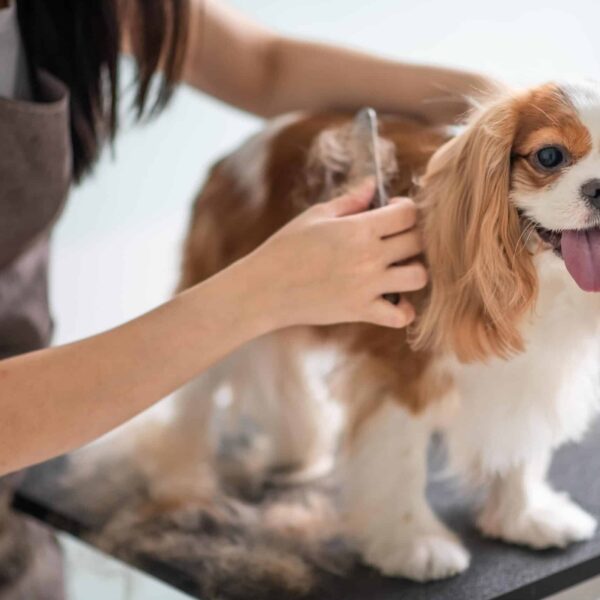
- Establishing a Consistent Pet Grooming Schedule
- Tailoring Grooming Frequency to Your Pet’s Needs
- Effective Pet Shedding Control at Home
- Identifying the Best Pet Brushes for Shedding
- The Precision of Dog Nail Trimming at Home
- A Step-by-Step Approach to Nail Care
- Avoiding Common Pet Bathing Mistakes
- The Art of a Stress-Free Bath
- Oral Health: How to Brush Dog Teeth at Home
- A Daily Routine for Canine Oral Hygiene
- Essential Pet Ear Cleaning Tips
- Proper Technique for Ear Maintenance
- Cat Grooming Basics for a Healthy Feline
- Nail Trimming and Occasional Baths for Felines
The notion of comprehensive pet care often conjures images of professional groomers, yet a significant portion of a pet’s well-being hinges on consistent, diligent efforts undertaken within the home environment. Neglecting regular at-home maintenance can lead to preventable health issues, discomfort, and costly veterinary interventions. This guide offers precise, actionable pet grooming at home tips, dissecting common practices to empower pet owners with the knowledge to maintain their companions’ health and hygiene effectively. Understanding and implementing these routines is not merely cosmetic; it is a fundamental aspect of responsible pet ownership.
Many owners underestimate the critical role daily and weekly grooming plays in their pet’s overall health. From preventing skin infections to mitigating dental disease, a proactive approach to home grooming significantly enhances a pet’s quality of life. We will critically examine the methodologies and tools necessary to transform what might seem daunting into an integral, rewarding part of your pet care regimen.
Establishing a Consistent Pet Grooming Schedule
The frequency and intensity of grooming are not arbitrary; they are dictated by breed, coat type, activity level, and individual health. A standardized pet grooming schedule is essential, yet it must be adaptable. For most short-haired dogs, a weekly brush and monthly bath might suffice, whereas long-haired or double-coated breeds often require daily brushing to prevent matting and manage shedding effectively.
Cats, despite their self-grooming reputation, still benefit immensely from human intervention. Short-haired cats can be brushed a few times a week, while long-haired breeds often need daily attention to prevent hairballs and tangles. Establishing a routine from a young age acclimates pets, making future grooming sessions less stressful for both animal and owner. Consistency is paramount; sporadic grooming can exacerbate issues rather than resolve them.
Beyond brushing and bathing, a comprehensive schedule includes regular nail trims, ear cleanings, and dental care. For instance, determining how often should you groom a dog extends beyond just their coat; it encompasses all aspects of their physical hygiene. This integrated approach ensures no critical area is overlooked, preventing minor issues from escalating into significant health concerns.
Tailoring Grooming Frequency to Your Pet’s Needs
It is critical to assess your pet’s specific requirements. A high-energy dog that frequently runs through brush might need more frequent paw checks and detangling than a sedentary indoor pet. Similarly, pets prone to ear infections, such as those with floppy ears, will require more vigilant ear cleaning. Observation is key; your pet’s coat condition, skin health, and general comfort levels are reliable indicators of whether your current schedule is adequate.
Consider the seasonal changes as well. Shedding often increases during spring and fall, necessitating a more frequent brushing regimen. Adjusting your pet grooming schedule to these natural cycles will significantly improve your ability to manage their coat and prevent discomfort. A proactive adjustment based on environmental factors and your pet’s physiological responses demonstrates astute pet ownership.
Effective Pet Shedding Control at Home
Shedding is a natural physiological process, but uncontrolled hair accumulation can be problematic for both pet and owner. Effective pet shedding control at home hinges on understanding the shedding cycle and employing appropriate tools and techniques. Simply brushing once a week is often insufficient for heavily shedding breeds; daily commitment is frequently required.
The primary objective is to remove loose and dead hair before it disperses throughout your home. This not only reduces household mess but also prevents matting, improves air circulation to the skin, and allows for early detection of skin issues or parasites. A consistent regimen reduces the overall volume of shed hair and promotes a healthier, shinier coat.
Identifying the Best Pet Brushes for Shedding
Selecting the correct brush is fundamental to effective shedding control. There is no universal “best” brush; suitability depends entirely on coat type. For short-haired breeds like Beagles or Boxers, a rubber curry brush or a slicker brush can effectively remove loose hair and stimulate circulation. These brushes are designed to grasp short, dense fur without causing irritation.
For double-coated breeds such as Huskies or German Shepherds, an undercoat rake or a deshedding tool like a Furminator is indispensable. These tools penetrate the topcoat to reach and remove loose undercoat without cutting the guard hairs. Misusing these tools, however, can damage the coat or irritate the skin, so precise technique and moderation are crucial. For long-haired breeds like Golden Retrievers or Shih Tzus, a pin brush followed by a slicker brush helps detangle and remove loose hair without pulling. Understanding the specific design and purpose of each brush prevents ineffective grooming and potential discomfort for your pet. Investing in the best pet brushes for shedding for your specific animal is a foundational step in effective home grooming.
The Precision of Dog Nail Trimming at Home
Unkempt nails are not merely an aesthetic concern; they can lead to significant discomfort, pain, and even structural damage to a dog’s paws and joints. Overgrown nails can impede natural gait, cause splayed toes, and increase the risk of infection if they snag or tear. The fear associated with dog nail trimming at home is often greater for the owner than the pet, stemming from the risk of cutting the quick.
Regular trimming, ideally every 2-4 weeks, is essential. Start with appropriate tools: sharp guillotine or scissor-style clippers for larger dogs, and smaller scissor-style clippers for small breeds. A Dremel-style rotary tool offers an alternative, grinding the nail down gradually and reducing the risk of a quick cut. Always have styptic powder on hand to stop bleeding in case of an accidental quicking.
A Step-by-Step Approach to Nail Care
Approach your dog calmly, ensuring they are relaxed. Hold the paw firmly but gently. Identify the quick, which is the pinkish area within the nail containing blood vessels and nerves (visible in clear nails, but often hidden in dark nails). Trim only the very tip of the nail, just before the quick. For dark nails, trim small slivers at a time, looking for a white ring with a small dark dot in the center, which indicates proximity to the quick.
Angle the clippers correctly to follow the natural curve of the nail. If using a grinder, introduce it slowly, allowing the dog to acclimate to the vibration and sound. Reward positive behavior with treats and praise. Consistent, positive experiences during dog nail trimming at home build trust and reduce anxiety for future sessions. This routine is also applicable to cat grooming basics, where similar principles for nail care apply, though cats typically have retractable claws and may prefer different clipper styles.
Avoiding Common Pet Bathing Mistakes
Bathing is a crucial component of hygiene, yet improper techniques can strip natural oils, irritate skin, and cause unnecessary stress. One of the most common pet bathing mistakes is using human shampoos, which are formulated for a different pH level and can be highly irritating to a pet’s skin. Always use pet-specific shampoos, ideally those recommended by a veterinarian for your pet’s skin and coat type.
Another error is using water that is too hot or too cold. Lukewarm water is ideal, ensuring comfort and preventing skin burns or hypothermia. Thorough rinsing is also paramount; shampoo residue left on the skin can cause itching, dryness, and bacterial or fungal infections. Rinse until the water runs clear and the coat feels free of any slickness.
The Art of a Stress-Free Bath
Prepare all your supplies beforehand: shampoo, conditioner (if needed), towels, and a non-slip mat for the tub. Brush your pet thoroughly before bathing to remove loose hair and tangles, which can become matted when wet. Wet your pet gradually, starting from the neck down, avoiding direct spray into their face. Use a washcloth for facial cleaning. Lather gently, focusing on areas prone to dirt and oil buildup.
After rinsing, squeeze excess water from the coat and towel dry vigorously. For long-haired breeds, a pet-specific hairdryer on a cool or low heat setting can expedite drying, preventing chills and hot spots. Never leave a damp pet to air dry completely, especially in cooler climates, as this can lead to skin issues. A well-executed bath minimizes discomfort and maximizes cleanliness, transforming it from a chore into a beneficial routine.
Oral Health: How to Brush Dog Teeth at Home
Dental disease is one of the most prevalent health issues in pets, often leading to pain, tooth loss, and systemic infections affecting vital organs. Regular tooth brushing is the most effective preventative measure, yet it is frequently overlooked. Learning how to brush dog teeth at home is not merely an optional extra; it is a critical health imperative.
Begin with appropriate tools: a pet-specific toothbrush (finger brushes or long-handled brushes are available) and enzymatic pet toothpaste. Never use human toothpaste, as it contains ingredients toxic to pets. Introduce the process gradually, allowing your pet to lick the toothpaste off your finger first, associating the experience with a positive taste.
A Daily Routine for Canine Oral Hygiene
Once your pet tolerates the toothpaste, introduce the brush. Start by gently brushing the outside surfaces of the teeth, focusing on the gum line, where plaque accumulates most. Gradually increase the duration and coverage as your pet becomes more comfortable. Aim for daily brushing, as plaque begins to harden into tartar within 24-48 hours. Consistency is key to preventing plaque buildup and maintaining good oral health.
While dental chews and water additives can supplement oral hygiene, they are not substitutes for mechanical brushing. Brushing provides the direct friction necessary to dislodge plaque effectively. Integrating how to brush dog teeth at home into your daily routine offers a significant return on investment in your pet’s long-term health, mitigating the need for expensive and invasive dental procedures.
Essential Pet Ear Cleaning Tips
Pet ears, especially those of dogs with floppy ears or excessive hair growth in the canal, are susceptible to dirt, wax buildup, and infections. Regular cleaning is a vital preventative measure. Ignoring ear hygiene can lead to painful otitis externa, requiring veterinary intervention. These pet ear cleaning tips focus on gentle, effective methods.
Before cleaning, inspect the ear. Look for redness, swelling, discharge, or an unpleasant odor, which are signs of an infection requiring veterinary attention. If the ear appears healthy, proceed with a veterinarian-approved ear cleaning solution and cotton balls or gauze. Avoid cotton swabs, as they can push debris deeper into the ear canal and potentially damage the eardrum.
Proper Technique for Ear Maintenance
Gently pull the ear flap up and back, exposing the ear canal. Apply the cleaning solution directly into the canal as per product instructions, typically filling it. Massage the base of the ear for 20-30 seconds to help break up wax and debris. Allow your pet to shake their head; this helps dislodge material. Then, use a cotton ball or gauze wrapped around your finger to wipe away any visible dirt and excess solution from the outer ear and the accessible parts of the canal.
Never probe deep into the ear canal. The goal is to clean the accessible outer parts, not to clean the inner ear, which can be easily damaged. Regular, gentle cleaning, typically once a month or as advised by your vet, can significantly reduce the risk of ear infections. If you notice persistent redness, discharge, or your pet is scratching their ears excessively, consult your veterinarian promptly.
Cat Grooming Basics for a Healthy Feline
While cats are renowned for their fastidious self-grooming, they still require assistance, particularly with brushing, nail care, and occasional bathing. Understanding cat grooming basics is crucial for preventing common feline issues like hairballs, matting, and overgrown claws. Regular interaction through grooming also strengthens the bond between cat and owner.
Brushing is paramount, especially for long-haired breeds. Daily brushing prevents mats, reduces shedding, and minimizes hairball ingestion. Use a soft slicker brush or a fine-toothed comb, working gently to avoid skin irritation. Short, positive sessions with treats can make this a pleasant experience for your cat. This proactive approach to `pet shedding control at home` is equally vital for felines.
Nail Trimming and Occasional Baths for Felines
Cat nail trimming should be done every 2-4 weeks. Use small, sharp cat clippers. Gently press on the paw pad to extend the claw, and trim only the clear, sharp tip, avoiding the quick. Introduce this early in life to acclimate your cat. For cats that tolerate it, occasional bathing with a cat-specific shampoo can be beneficial, particularly for elderly cats, overweight cats, or those with specific skin conditions. Ensure the water is lukewarm and rinse thoroughly to prevent skin irritation.
Approach all aspects of cat grooming basics with patience and positive reinforcement. Forcing a cat into a grooming activity can create a lasting negative association. Short, frequent sessions are more effective than infrequent, prolonged struggles. A well-groomed cat is not only healthier but also more comfortable and contented within its environment.
Diligent, consistent home grooming is an investment in your pet’s health, comfort, and longevity. By integrating these precise techniques and understanding the specific needs of your animal, you move beyond mere maintenance to proactive care. Each brushing stroke, nail trim, and tooth brush contributes significantly to their overall well-being, fostering a deeper bond and ensuring a happier, healthier companion for years to come. The responsibility lies in your hands to provide this essential, ongoing care, transforming potential challenges into routine acts of love and dedication.
You might also like:
- The Tactical Blueprint: Resolving Common Puppyhood Dilemmas Through Structured Management
- Optimizing Early Canine Development: A Critical Analysis of Puppy Routines and Behavioral Management
- Beyond the Dashboard: A Precise Critique of Specialized Pet Monitoring Apps, AI Tools, and Ecosystem Devices
- The Anatomy of At-Home Pet Grooming: A Critical Dissection of Essential Care Protocols
- Best Probiotics to Add to Homemade Dog Food for Digestive Health