- The Enigma of Destructive Scratching: When Your Cat Scratches Furniture Suddenly
- Instinct vs. Issue: Differentiating Normal and Problematic Scratching
- Environmental Factors and Stress Responses
- Addressing the Root Cause: Solutions and Enrichment
- The Reclusive Feline: Understanding Why Your Cat is Hiding All Day
- Behavioral Indicators of Fear or Illness
- Environmental Security and Stressors
- Gradual Reintroduction and Veterinary Consultation
- Nocturnal Narratives: Why Does My Cat Meow at Night?
- Medical vs. Behavioral Origins of Nighttime Vocalizations
- Addressing Attention-Seeking and Boredom
- Establishing a Consistent Routine
- The Rhythmic Knead: Decoding Cat Kneading Meaning
- Instinctual Comfort and Affection
- Maternal Reminiscence and Scent Marking
- When Kneading Becomes Problematic
- The Peculiar Palate: Why Your Cat is Licking Plastic
- Pica and Nutritional Deficiencies
- Behavioral Compulsion or Stress Relief
- Mitigating Risks and Seeking Veterinary Advice
- Midnight Mavericks: Explaining Cat Zoomies at Night
- Instinctual Predatory Drive and Energy Release
- Environmental Enrichment and Play Schedules
- Managing Nocturnal Activity Levels
- The Constant Companion: When Your Cat is Following Me Everywhere
- Affection, Security, and Routine Seeking
- Attention-Seeking vs. Separation Anxiety
- Fostering Independence and Consistent Interaction
- The Somnolent Feline: Is Cat Sleeping All Day Normal?
- Typical Feline Sleep Patterns and Age Factors
- Distinguishing Normal Rest from Lethargy
- Monitoring for Underlying Health Concerns
- Playful Bites or Aggression? Understanding Cat Biting While Playing
- Instinctual Play and Socialization
- Overstimulation and Inappropriate Play Behavior
- Redirecting Play and Setting Boundaries
- The Fixed Gaze: Why Your Cat is Staring at a Wall
- Sensory Perception and Environmental Stimuli
- Neurological Considerations and Cognitive Dysfunction
- When to Consult a Veterinarian
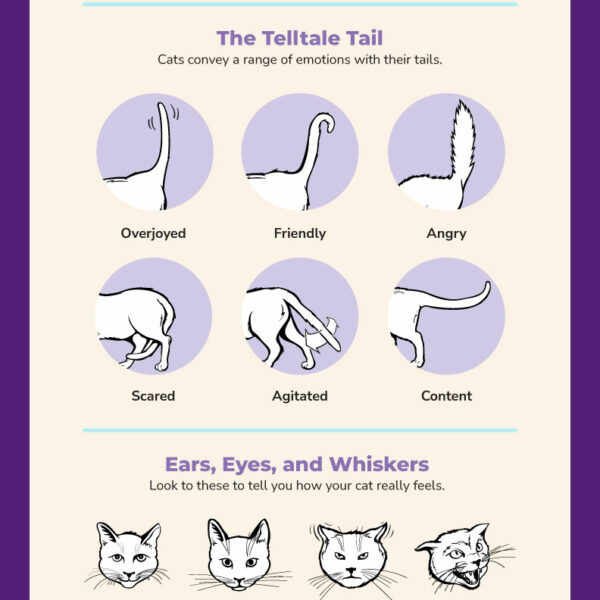
Observing a cat’s behavior often feels like deciphering a cryptic code. From the sudden, inexplicable urge to shred upholstery to the silent, prolonged gaze into an empty corner, feline actions frequently confound their human companions. These aren’t mere quirks; they are critical signals, indicators of underlying physical, emotional, or environmental states that demand precise interpretation. Understanding why your cat is exhibiting behaviors such as a sudden change in their scratching habits, like your cat scratching furniture suddenly, is not just about managing an inconvenience; it’s about discerning their well-being.
Many common feline behaviors, while seemingly bizarre, possess logical explanations rooted in instinct, health, or learned responses. A critical assessment of these indicators can provide profound insight into your cat’s needs and internal world. This analytical approach moves beyond anecdotal assumptions, offering a direct pathway to improving their quality of life and strengthening the human-animal bond.
The Enigma of Destructive Scratching: When Your Cat Scratches Furniture Suddenly
A sudden shift in scratching habits, particularly when your cat starts scratching furniture suddenly, often signals more than mere mischief. While scratching is an innate feline behavior essential for claw maintenance, stretching, and scent marking, its redirection to inappropriate surfaces warrants immediate attention. This shift can indicate stress, anxiety, territorial disputes, or an unmet need for appropriate scratching outlets.
Instinct vs. Issue: Differentiating Normal and Problematic Scratching
Normal scratching is a healthy, instinctual activity. Cats scratch to remove dead outer claw sheaths, stretch their muscles, and deposit scent from glands in their paws. Problematic scratching, however, involves targeting valuable household items, often with increased frequency or intensity, and may emerge without prior warning.
Such behaviors are rarely malicious. Instead, they are typically a response to an environmental deficit or an internal state of distress. A cat that suddenly abandons its scratching post for your sofa is communicating a need that is currently unfulfilled.
Environmental Factors and Stress Responses
Stress is a primary driver for many behavioral changes, including destructive scratching. Changes in the home environment—new pets, new people, rearranged furniture, or even a change in litter—can trigger anxiety. The cat may resort to scratching as a coping mechanism, an attempt to reassert control over its territory through scent marking.
Inadequate scratching post provisions are also a common culprit. If a post is unstable, too short, or made of an undesirable material, the cat will seek alternatives. The texture, height, and stability of a scratching surface are paramount to feline preference.
Addressing the Root Cause: Solutions and Enrichment
To mitigate sudden destructive scratching, a multi-faceted approach is necessary. Ensure ample, varied scratching surfaces (vertical, horizontal, cardboard, sisal, carpet) are available in prominent areas. Positive reinforcement, such as treats and praise, should be used when the cat utilizes appropriate surfaces.
Furthermore, identify and alleviate potential stressors in the environment. Pheromone diffusers can help create a calmer atmosphere. Regular play sessions also serve to redirect energy and reduce anxiety, providing a healthy outlet for natural feline instincts.
The Reclusive Feline: Understanding Why Your Cat is Hiding All Day
While cats are often perceived as independent, an animal that consistently spends its days hidden away requires careful observation. If your cat is hiding all day, it’s a significant behavioral deviation from their typical routine and warrants immediate investigation. This behavior is a fundamental survival instinct, employed by both prey and predator, but in a domestic setting, it frequently signals distress or illness.
Behavioral Indicators of Fear or Illness
Persistent hiding can be a clear indicator of fear, pain, or illness. Cats instinctively retreat when they feel vulnerable, making hiding a primary coping mechanism for discomfort. Observe for other concurrent symptoms such as lethargy, changes in appetite, altered litter box habits, or a reluctance to move.
Fear can stem from various sources: a new pet, loud noises, unfamiliar visitors, or even changes in household dynamics. A cat may perceive these as threats and seek refuge in secluded spaces to feel safe and secure.
Environmental Security and Stressors
The home environment plays a crucial role in a cat’s sense of security. A lack of elevated perches, secure hiding spots, or predictable routines can contribute to anxiety, leading to excessive hiding. Ensure your cat has access to quiet, private spaces where they feel undisturbed and protected.
Conversely, a cat may hide to avoid perceived threats, such as overly boisterous children or other pets. Assessing the social dynamics within the household is essential to identifying potential stressors that compel your cat to retreat.
Gradual Reintroduction and Veterinary Consultation
If illness is suspected, a veterinary examination is paramount. Many conditions, from dental pain to organ disease, can manifest as reclusive behavior. If health issues are ruled out, focus on creating a secure, low-stress environment.
Encourage interaction with gentle, positive reinforcement, but avoid forcing your cat out of its hiding spot. Gradually reintroduce them to household activities, ensuring they always have a safe retreat available. Patience and consistency are key to rebuilding their confidence.
Nocturnal Narratives: Why Does My Cat Meow at Night?
The piercing cries that shatter the night are a common complaint among cat owners, prompting the question: why does my cat meow at night? While some nighttime vocalization is normal, excessive or sudden onset meowing during sleeping hours is a distinct behavioral concern. This vocalization is a primary mode of communication for felines, and its nocturnal expression often conveys an urgent message.
Medical vs. Behavioral Origins of Nighttime Vocalizations
The first step in addressing nocturnal meowing is to rule out medical causes. Conditions such as hyperthyroidism, hypertension, kidney disease, cognitive dysfunction (common in older cats), or even pain can lead to increased vocalization. A veterinary check-up is crucial to ensure there are no underlying health issues contributing to the behavior.
If medically cleared, the meowing is likely behavioral. Common drivers include boredom, hunger, attention-seeking, or anxiety. Unspayed or unneutered cats may also vocalize intensely when in heat or seeking a mate.
Addressing Attention-Seeking and Boredom
Cats are crepuscular, meaning they are most active at dawn and dusk. However, domestic cats often adapt their schedules to their human companions. If a cat is bored or undersimulated during the day, it may seek interaction and entertainment at night. This can manifest as persistent meowing for attention or play.
Feeding schedules can also play a role. If a cat is accustomed to being fed upon waking, it may vocalize to hasten the process. Similarly, if they are simply lonely, they may cry out for companionship.
Establishing a Consistent Routine
To reduce nighttime meowing, establish a predictable routine. Engage your cat in active play sessions during the evening, particularly before bedtime, to expend their energy. A substantial meal just before you retire for the night can also promote satiety and encourage sleep.
Ignore attention-seeking meows, as responding to them reinforces the behavior. Providing environmental enrichment, such as puzzle feeders and interactive toys, can keep them occupied during the day and reduce boredom-driven nocturnal activity. Consistency in these measures is vital for success.
The Rhythmic Knead: Decoding Cat Kneading Meaning
The rhythmic pushing and pulling motion of a cat’s paws, often accompanied by purring, is known as kneading or ‘making biscuits.’ Understanding cat kneading meaning requires an appreciation for its deep-seated origins. This seemingly peculiar behavior is a fundamental expression of comfort, contentment, and affection, rooted in early feline development.
Instinctual Comfort and Affection
Kneading originates from kittenhood, when nursing kittens knead their mother’s mammary glands to stimulate milk flow. This early association links the action with warmth, nourishment, and security. As adult cats, they retain this behavior, employing it when they feel safe, content, and loved, often on soft surfaces or their cherished humans.
It is a profound display of trust and relaxation. When a cat kneads on you, they are essentially treating you as a source of ultimate comfort and security, much like their mother. This indicates a strong bond and a high level of contentment.
Maternal Reminiscence and Scent Marking
Beyond comfort, kneading also serves as a form of scent marking. Cats have scent glands in their paws, and the act of kneading deposits their unique pheromones onto the surface. This marks the area, or person, as part of their safe territory, reinforcing their sense of belonging and ownership.
While typically benign, sometimes kneading can be accompanied by extended claws, which can be uncomfortable. This is not aggression but rather an instinctual extension of the behavior. Trimming claws regularly can mitigate discomfort without inhibiting the natural expression of affection.
When Kneading Becomes Problematic
In rare instances, excessive or compulsive kneading might signify underlying anxiety or stress, particularly if it’s accompanied by other anxious behaviors. However, for most cats, kneading is a positive and healthy expression. If concern arises, observe the context and other behavioral cues to determine if intervention is necessary.
Generally, kneading is a clear indicator of a happy, well-adjusted cat. It signifies a profound bond between the feline and its environment or human companion, serving as a testament to their emotional well-being and comfort.
The Peculiar Palate: Why Your Cat is Licking Plastic
Encountering your cat meticulously licking a plastic bag or other plastic items can be perplexing. The question of why your cat is licking plastic often leads to concern, as this behavior, while sometimes innocuous, can also be a symptom of underlying issues. This specific oral fixation warrants careful consideration, distinguishing between a benign habit and a potential health or behavioral problem.
Pica and Nutritional Deficiencies
One primary reason for licking or ingesting non-food items, including plastic, is a condition known as pica. Pica can stem from various factors, including nutritional deficiencies (though less common with commercial cat foods), underlying medical conditions such as anemia, hyperthyroidism, or dental problems causing discomfort that leads to chewing.
Some cats may also develop pica as a response to digestive issues, where they attempt to self-medicate or alleviate discomfort by consuming unusual substances. A thorough veterinary examination is essential to rule out these physiological causes.
Behavioral Compulsion or Stress Relief
Beyond physical ailments, licking plastic can be a behavioral compulsion. Anxiety, stress, or boredom can trigger displacement behaviors, where an animal engages in repetitive, seemingly aimless actions to cope. The texture or subtle scent of plastic might be appealing or provide a soothing sensation for some cats.
Early weaning or a history of being orphaned can also contribute to oral fixations, as the cat may seek to replicate the suckling behavior they missed during kittenhood. This can manifest as licking, chewing, or sucking on various non-food items.
Mitigating Risks and Seeking Veterinary Advice
Regardless of the cause, ingesting plastic poses a significant health risk, potentially leading to gastrointestinal obstruction or chemical exposure. Therefore, prevention is critical. Remove access to plastic items that your cat targets, and provide safe, appropriate chew toys and environmental enrichment to redirect their oral fixations.
If the behavior persists, or if you observe other concerning symptoms, a consultation with your veterinarian is imperative. They can conduct diagnostic tests to identify any medical causes and offer behavioral modification strategies or refer you to a feline behaviorist.
Midnight Mavericks: Explaining Cat Zoomies at Night
The sudden, frenetic bursts of energy, often dubbed ‘zoomies,’ are a common and usually amusing sight. However, when these cat zoomies at night disrupt household peace, they become a point of inquiry. Understanding the physiological and behavioral underpinnings of these nocturnal sprints is crucial for managing and redirecting this energetic display.
Instinctual Predatory Drive and Energy Release
Cats are natural predators with an innate drive to hunt, stalk, and pounce. In a domestic setting, this predatory energy needs an outlet. If a cat does not receive sufficient mental and physical stimulation during the day, this pent-up energy can be unleashed in explosive bursts, particularly during their crepuscular periods of activity (dawn and dusk).
The ‘zoomies’ are essentially an expression of a cat’s natural hunting sequence—search, stalk, chase, pounce, kill bite—condensed into a frantic dash. It’s a healthy way for them to burn off excess energy and satisfy their primal instincts.
Environmental Enrichment and Play Schedules
To minimize nocturnal zoomies, focus on providing ample opportunities for play and mental stimulation during the day. Incorporate interactive play sessions with wand toys that mimic prey movement, allowing your cat to ‘hunt’ and ‘capture.’ Several short play sessions throughout the day are more effective than one long one.
Puzzle feeders, climbing structures, and access to window perches can also enrich their environment, keeping them engaged and mentally stimulated. A tired cat is less likely to have a burst of energy at 3 AM.
Managing Nocturnal Activity Levels
Consider the timing of your cat’s last meal and play session. A hearty play session followed by a meal just before your bedtime can help your cat settle down for the night. If the zoomies are consistently occurring at specific times, try to preempt them with an engaging activity.
While generally benign, excessive or frantic zoomies, especially if accompanied by other anxious behaviors, might warrant a discussion with your veterinarian. This could indicate underlying stress or a need for more structured enrichment to channel their natural energy effectively.
The Constant Companion: When Your Cat is Following Me Everywhere
Many cat owners experience the persistent shadow, the feline companion that seems to be glued to their heels. If your cat is following me everywhere, it’s a behavior laden with meaning, ranging from profound affection to subtle cues of insecurity. Discerning the nuances of this constant companionship requires an analytical perspective on feline social dynamics.
Affection, Security, and Routine Seeking
One of the most common reasons for a cat to follow its owner is affection and a desire for companionship. Cats often form strong bonds with their primary caregivers and enjoy being in their proximity. They may follow you from room to room simply because they enjoy your presence and feel secure when you are near.
Cats are also creatures of routine. They may associate your movements with specific events, such as meal times, play sessions, or even trips to the bathroom (which often involve a moment of stationary attention). Following you becomes a way to anticipate and participate in these routines.
Attention-Seeking vs. Separation Anxiety
While often a sign of affection, persistent following can also be a form of attention-seeking. If your cat learns that following you consistently results in petting, treats, or vocal interaction, they will reinforce this behavior. This is particularly true if they feel they are not receiving enough dedicated attention.
In some cases, excessive following, especially when coupled with vocalization, destructive behavior when left alone, or inappropriate elimination, can be a symptom of separation anxiety. This indicates a deeper level of distress when separated from their human companion and requires a more targeted intervention.
Fostering Independence and Consistent Interaction
To manage persistent following, ensure your cat receives adequate, structured attention throughout the day. Engage in regular play sessions, provide puzzle feeders, and offer designated petting times. This can reduce the need for constant attention-seeking.
If separation anxiety is suspected, consult with a veterinarian or a feline behaviorist. They can help implement strategies to build your cat’s confidence and independence, such as gradual desensitization to your departures and creating a stimulating environment for when you are away.
The Somnolent Feline: Is Cat Sleeping All Day Normal?
The image of a cat curled up in slumber is iconic, leading many to wonder: is cat sleeping all day normal? While cats are renowned for their extensive rest periods, distinguishing between typical feline somnolence and excessive lethargy is critical. A precise understanding of their sleep patterns is essential for assessing their overall health and well-being.
Typical Feline Sleep Patterns and Age Factors
Cats typically sleep between 12 to 16 hours a day, sometimes even more, especially as kittens or senior cats. This extensive sleep is a legacy of their predatory nature; hunting requires bursts of intense energy, which are offset by long periods of rest and energy conservation. Their sleep cycles often involve short bursts of deep sleep interspersed with lighter dozing.
Age significantly influences sleep duration. Kittens sleep extensively for growth and development, while senior cats may sleep more due to decreased mobility, pain, or the onset of age-related conditions. Understanding these natural variations is key to proper assessment.
Distinguishing Normal Rest from Lethargy
While long sleep periods are normal, true lethargy is not. Lethargy is characterized by a lack of energy, reduced responsiveness, and an unwillingness to engage in normal activities even when awake. A truly lethargic cat may show little interest in food, play, or interaction, and its movements may appear sluggish or uncoordinated.
A normally sleeping cat will typically be alert and responsive when roused, quickly engaging in play or seeking food. Observe the quality of their waking hours: are they active, playful, and interactive, or are they subdued and withdrawn?
Monitoring for Underlying Health Concerns
If your cat’s increased sleep is accompanied by other symptoms such as changes in appetite or thirst, vomiting, diarrhea, weight loss, or unusual vocalizations, it warrants immediate veterinary attention. Excessive sleep can be a symptom of numerous medical conditions, including infections, pain, metabolic diseases, or even anemia.
Regular veterinary check-ups are essential, particularly for older cats, to monitor for any subtle changes that might indicate an underlying health issue. Early detection and intervention can significantly improve outcomes for many feline ailments.
Playful Bites or Aggression? Understanding Cat Biting While Playing
The fine line between enthusiastic play and painful aggression can be blurry, especially when your cat is biting while playing. Interpreting these interactions requires a precise understanding of feline play behavior and the signals that differentiate benign exuberance from problematic aggression. Misinterpreting these cues can inadvertently reinforce undesirable biting habits.
Instinctual Play and Socialization
Biting is a natural component of feline play, mimicking hunting behaviors. Kittens learn bite inhibition from their littermates and mother. During play, they practice pouncing, chasing, and mock-biting, which are crucial for developing their predatory skills and social boundaries. A gentle nip that doesn’t break the skin is often part of normal, healthy play.
However, if a cat was orphaned or removed from its litter too early, it might not have learned appropriate bite inhibition. This can lead to rougher play and more painful bites, as they haven’t developed the understanding of how hard is too hard.
Overstimulation and Inappropriate Play Behavior
Play biting can escalate into problematic behavior if a cat becomes overstimulated. Excessive petting, particularly on sensitive areas like the belly, can quickly turn a pleasant interaction into an overstimulated attack. Similarly, using hands or feet as ‘toys’ during play teaches the cat that human body parts are acceptable targets for biting and scratching.
This reinforces the idea that biting is a valid form of interaction with humans, making it difficult for the cat to differentiate between playful nibbles and painful attacks. Consistent boundaries are crucial for effective communication.
Redirecting Play and Setting Boundaries
To manage cat biting during play, never use your hands or feet as toys. Always use appropriate interactive toys, such as wand toys, laser pointers, or stuffed animals. If your cat bites too hard, immediately withdraw attention, letting out a sharp ‘ouch’ or ‘no’ if necessary, and disengage from play. This teaches them that biting ends the fun.
Provide plenty of appropriate outlets for their predatory instincts through regular, vigorous play sessions. If the biting is severe or accompanied by other aggressive behaviors, consult a feline behaviorist to develop a comprehensive behavior modification plan.
The Fixed Gaze: Why Your Cat is Staring at a Wall
Few behaviors are as unsettling as observing your cat staring at a wall with an unwavering gaze. This seemingly inexplicable action prompts the question: why is my cat staring at a wall? While often benign, this fixed attention can occasionally signal more serious underlying issues, necessitating careful observation and, at times, professional intervention.
Sensory Perception and Environmental Stimuli
Cats possess highly acute senses, far surpassing human capabilities in many respects. They can detect subtle movements, sounds, and even air currents that are imperceptible to us. A cat staring at a wall might simply be focused on an insect, a dust particle, a shadow, or even a sound emanating from within the wall (such as pipes or rodents).
Their superior hearing allows them to detect frequencies beyond our range, and their exceptional night vision makes even the slightest visual anomaly captivating. What appears to us as an empty wall may be a rich sensory landscape for a cat.
Neurological Considerations and Cognitive Dysfunction
While often benign, persistent or compulsive wall-staring, especially in older cats, can be a symptom of more serious neurological issues. Conditions such as feline hyperesthesia syndrome, partial seizures, or cognitive dysfunction (similar to dementia in humans) can manifest as unusual fixed gazes, disorientation, or repetitive behaviors.
If the staring is accompanied by other concerning symptoms—such as disorientation, unresponsiveness, changes in gait, vocalization, or altered eating/drinking habits—it strongly indicates a need for veterinary assessment. Early diagnosis of neurological conditions can be critical for management.
When to Consult a Veterinarian
Initially, observe the context and frequency of the behavior. If it’s an isolated incident or clearly linked to an obvious external stimulus, it’s likely harmless. However, if the wall-staring becomes frequent, prolonged, or appears compulsive, or if your cat seems unresponsive or disoriented during these episodes, a veterinary consultation is warranted.
A veterinarian can perform a thorough physical and neurological examination to rule out any underlying medical causes. This proactive approach ensures that any potential health issues are identified and addressed promptly, safeguarding your cat’s long-term well-being.
The intricate tapestry of feline behavior is a constant source of wonder and, at times, perplexity. Each action, from the most affectionate purr to the most bewildering stare, serves as a piece of a larger communication puzzle. By adopting a precise, analytical approach to these behavioral indicators, owners can move beyond mere observation to genuine understanding. This involves meticulous attention to detail, a readiness to consider both environmental and physiological factors, and a commitment to providing appropriate enrichment and care. When in doubt, consulting with a qualified veterinarian or a certified feline behaviorist offers invaluable guidance, ensuring that your cat’s unspoken needs are met, fostering a harmonious and deeply understood relationship built on informed compassion.
You might also like:
- The Itch Anomaly: A Critical Examination of Your Dog’s Non-Flea Pruritus and Comprehensive Management
- The Rigorous Discipline of Puppy Rearing: A Critical Examination of Schedules, Training, and Behavioral Imperatives
- Addressing Feline Litter Box Refusal: An Analytical Guide to Environmental and Behavioral Solutions
- Best Probiotics to Add to Homemade Dog Food for Digestive Health
- Unpacking Canine Dietary Reluctance: A Critical Framework for Strategic Feeding and Nutritional Optimization